
Nasdaq: how an electronic experiment reshaped global investing
por Morgans · 16 de setembro de 2026 · 6 min de leitura
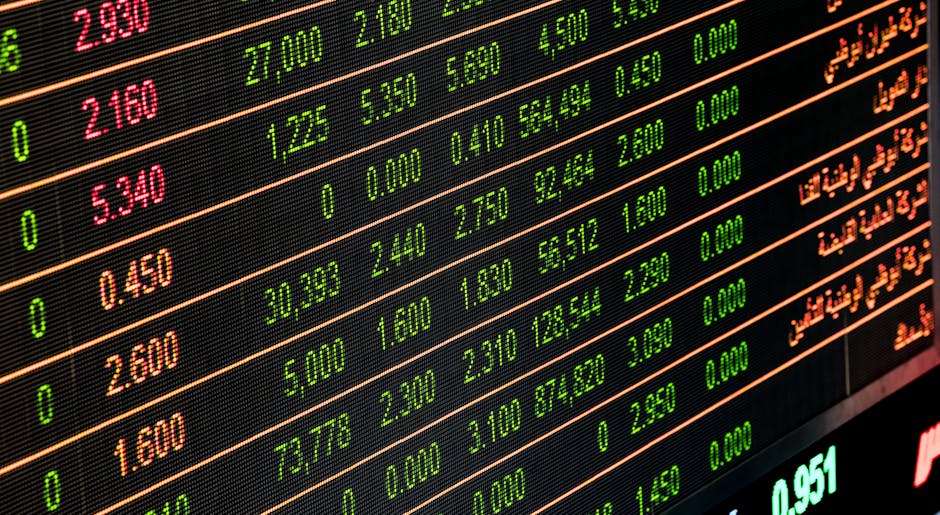
On a typical day at an open-air market, the efficiency of a sale relies on the merchant's voice and the speed of their hands. For nearly two centuries, the stock market operated on that exact same principle. Men in tailored suits gestured frantically, shouted buy orders, and trampled scraps of paper across massive trading floors. However, in the early 1970s, a group of innovators decided to test a provocative hypothesis: what if trading corporate ownership required no shouting, no paper, and no physical room?
That was the spark behind the Nasdaq, an acronym for a bold and simple idea. By introducing the world's first electronic stock market in 1971, the institution did not merely build a new venue for trading securities. It permanently reshaped the relationship between technology and the flow of global capital.
The Day the Trading Floor Fell Silent
To understand the magnitude of this shift, one must picture the dominant system of the era. Traditional exchanges operated like exclusive clubs, where local brokers held a monopoly on executing trades. The process was slow, prone to human error, and strictly constrained by the physical capacity of a room.
The advent of computerized systems swapped shouting for lines of code and glowing monitors. Initially, the framework functioned only as an automated quotation board, displaying average prices provided by competing dealers. Traders could not settle deals directly on screen yet, but the sudden transparency sent shockwaves through the industry.
Before long, the rapid flow of information exposed an uncomfortable truth for the old establishment: traditional intermediation charged a heavy premium for work that mainframe computers could perform in fractions of a second.
The true turning point of the modern market was not computer speed, but the instantaneous democratization of financial data.
And that is where the story shifts. The inherent efficiency of this new system caught the eye of young enterprises that simply did not fit the rigid mold of century-old industrial conglomerates.
The Magnetic Pull for Tech Pioneers
During the 1970s and 1980s, the global business landscape started to evolve. Garages in California and research labs across the United States were breeding ventures whose primary assets were not steel mills or heavy machinery, but intellectual property and software.
Established stock exchanges demanded long track records of profitability and charged substantial initial listing fees. For a fledgling technology startup, these hurdles were virtually insurmountable. The novel electronic platform, by contrast, offered a flexible, modern, and cost-effective path to raise public capital.
Tech founders quickly realized that this exchange was more than a funding vehicle; it was a badge of identity. Being listed on a fully digital exchange sent a clear message to the world: the future belonged to companies that embraced innovation.
Brands that would later mature into global titans of personal computing, microprocessors, and e-commerce chose to launch their public journeys on this electronic network. The growth of these enterprises reinforced the exchange's own prestige, creating a virtuous cycle where innovation continually attracted more innovation.
The Mechanics Behind the Screens and Algorithms
Unlike traditional centralized specialist systems, the electronic trading model relied heavily on market makers. Instead of a single floor specialist managing orders for a specific stock at a physical post, multiple competing dealers provided liquidity across a decentralized network.
These dealers continuously maintain bid and ask quotes. When an investor submits an order, the system automatically routes it to locate the best available price across the computer network. This mechanism improves liquidity and narrows the spread—the price gap between buy and sell offers.
But there is a catch. This decentralized electronic foundation paved the way for high-frequency trading. As decades passed, the competition shifted from human traders watching terminal screens to automated algorithms hosted in high-speed data centers.
Today, transactions occur in microseconds. An environment that began as an experiment in data automation has matured into the fastest, most complex financial ecosystem on Earth.
How the Tech Index Mirrors Global Sentiment
As it solidified its reputation as the home for tech pioneers, the exchange's benchmark index evolved into a primary gauge of global risk appetite. When the macroeconomic environment favors expansion, capital moves aggressively into high-growth equities. Conversely, during periods of monetary tightening, volatility tends to hit these high-multiple companies hardest.
It is essential to distinguish the broader exchange from its famous top-tier index of non-financial leaders. While thousands of companies are listed on the venue, financial media and institutional funds focus heavily on the mega-cap tech giants that dominate market capitalization.
This structural concentration creates an intriguing dynamic. Strong performance from just a handful of massive corporations can drive the entire index upward, even while smaller listed firms struggle through market headwinds.
For investors, reading this index requires nuance. Tracking its movements means monitoring the frontier of artificial intelligence, cloud infrastructure, biotechnology, and changing consumer habits.
Navigating the Risks of a Fast Market
The very speed that fuels rapid growth can also amplify market downturns. Financial history demonstrates that excitement surrounding revolutionary technology frequently breeds speculative bubbles. When investor sentiment completely detaches from underlying cash flow realities, market corrections can be sudden and severe.
The dot-com bust at the turn of the century remains a timeless case study. Companies with no sustainable revenue streams saw valuations skyrocket simply by appending technological buzzwords to their names. When fundamental realities reasserted themselves, the price adjustment wiped out vast amounts of market value in a matter of months.
Another structural consideration involves algorithmic risk. In automated environments, extreme volatility events known as flash crashes can materialize within minutes if computerized algorithms pull liquidity simultaneously upon detecting market anomalies.
Navigating digital markets requires recognizing that rapid information flow amplifies both the strengths and the flaws of human psychology.
Consequently, participating in a tech-driven marketplace calls for patience and risk management. Individual investors must remember that real-time digital execution does not replace the necessity of disciplined fundamental research.
Building a Long-Term View on Tech Stocks
For those looking to allocate capital to modern innovation, the most effective approach avoids impulsive trading. The constant noise of market headlines can easily distract from the core principles of sound asset allocation.
A resilient strategy relies on examining corporate balance sheets and sustainable competitive advantages. Leading technology companies often exhibit robust operating margins, manageable debt levels, and strong moats that protect their market share.
Beyond selecting individual equities, many market participants utilize index funds to achieve broad diversification. This approach grants exposure to sector-wide growth without the burden of trying to pick individual winners in a fast-changing landscape.
And that is where the real advantage lies. Rather than chasing short-term price swings generated by automated trading algorithms, long-term investors leverage the liquidity and efficiency of the electronic market to build wealth over decades.
The historical migration from paper slips to digital bits proved that technology is not just an auxiliary tool for finance—it is the very architecture of global capital. Understanding how this electronic ecosystem operates equips investors with the insight needed to navigate the digital economy with confidence.

Relacionadas

Investing
Real Estate Funds: How to Build Wealth with Property Assets
Explore how real estate investment funds work, compare equity versus debt assets, and learn how to generate passive income from property.
15 de setembro de 2026
Investing
How ETFs Rewrote Financial Rules and Why Investors Choose Them
Discover how ETFs work, why passive index investing outperforms active stock picking, and how to build long-term wealth with exchange-traded funds.
15 de setembro de 2026

Investing
How BDRs Allow Global Stock Trading Directly on the B3
Discover how Brazilian Depositary Receipts work, their different structures, and how investors gain global exposure through local exchanges.
13 de setembro de 2026
Economy
How Foreign Exchange Rates Shape Your Daily Purchasing Power
Understand how foreign exchange rates and dollar fluctuations impact the global economy and your wealth. Learn smart hedging strategies.
10 de setembro de 2026
Investing
How to Read Stock Market Gainers and Losers Without Losing Control
Learn how stock market gainers and losers work, filter out short-term market noise, and make smarter, long-term investment decisions.
10 de setembro de 2026

Investing
How to Filter Market Noise and Build Lasting Wealth
Learn how to organize your financial decisions, evaluate dividend income, and build a resilient portfolio without getting lost in daily market volatility.
09 de setembro de 2026
Investing
Day Trading or Dividends: How to Choose the Best Strategy
Discover the key differences between day trading and dividend investing, the psychology behind each approach, and how to build a lasting portfolio.
07 de setembro de 2026

Investing
How to Choose Investments When Facing Options Overload
Learn how to choose investments with clarity, cutting through market noise to build a sustainable long-term financial portfolio.
07 de setembro de 2026
Investing
How to Beat the Stock Market with Long-Term Investing
Discover a proven stock selection methodology focused on deep research, long-term holding, and beating market indexes consistently.
06 de setembro de 2026
Investing
Recommended Stock Portfolios: How Market Consensus Works
Explore how analyst consensus stock portfolios perform against market benchmarks and what monthly rebalancing means for investors.
06 de setembro de 2026
Comments
Loading…